Miami-Dade property guide
Can Mold Be Present Without Visible Growth?
Understand what hidden mold means, which clues deserve attention, and how a professional assessment evaluates the concern.
On This Page
Quick Answer
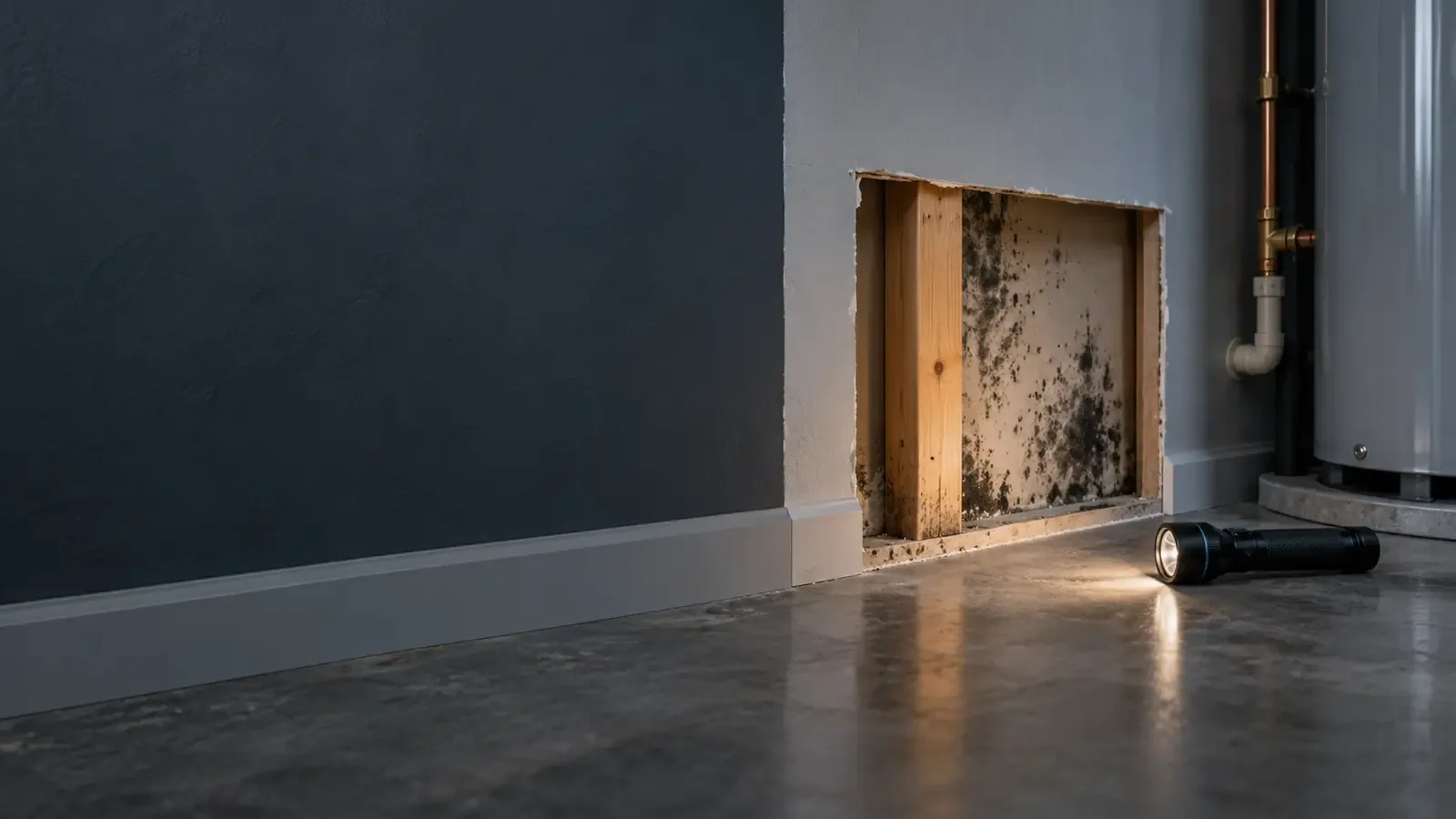
Yes. Mold can grow on concealed surfaces even when you cannot see growth from inside the room. Possible locations include the back of drywall, beneath flooring, behind wallpaper and above ceiling materials.
A persistent musty odor, recurring moisture, previous water damage or changing finishes can be reasons to arrange an assessment. These clues do not establish the source or extent on their own.
Miami Mold Assessment combines visual evaluation, moisture readings and laboratory sampling with a full report and written remediation protocol to help you understand the areas evaluated.
Is Mold Always Visible?
Individual mold spores are microscopic. Hidden mold growth refers to growth on a surface you cannot readily see, such as the back of a wall covering.
These are different ideas. Finding mold spores in a sample does not automatically establish where growth is occurring or how much material is affected.
A room can look clean while moisture or growth is concealed elsewhere. The EPA identifies several possible concealed locations and recommends professional help when hidden mold is suspected. EPA: Mold and Hidden Growth.
Where Can Mold Grow Out of Sight?
Possible locations include:
- Behind drywall, wallpaper or wall paneling.
- Around concealed plumbing.
- Beneath carpet, padding or other flooring materials.
- Above ceiling tiles or behind ceiling finishes.
- Behind cabinets or other surfaces that limit access.
A history of water intrusion helps identify which areas deserve attention. It does not mean every concealed space is affected.
Can mold grow under tile?
Mold can grow on suitable damp materials beneath flooring or behind a tiled wall. The condition of the exposed tile alone does not establish what is happening underneath.
Tell the assessor about previous leaks, recurring dampness, loose finishes or nearby staining. Additional investigation behind finished materials is discussed before it proceeds.
How Do Professionals Check for Mold Behind Walls?
A professional assessment starts with the question you need answered and the areas you want evaluated.
Review the history and accessible conditions
Share known leaks, previous cleanup, repairs, odors and earlier reports. We examine accessible areas within the agreed scope and document relevant observations.
Take moisture readings and collect samples
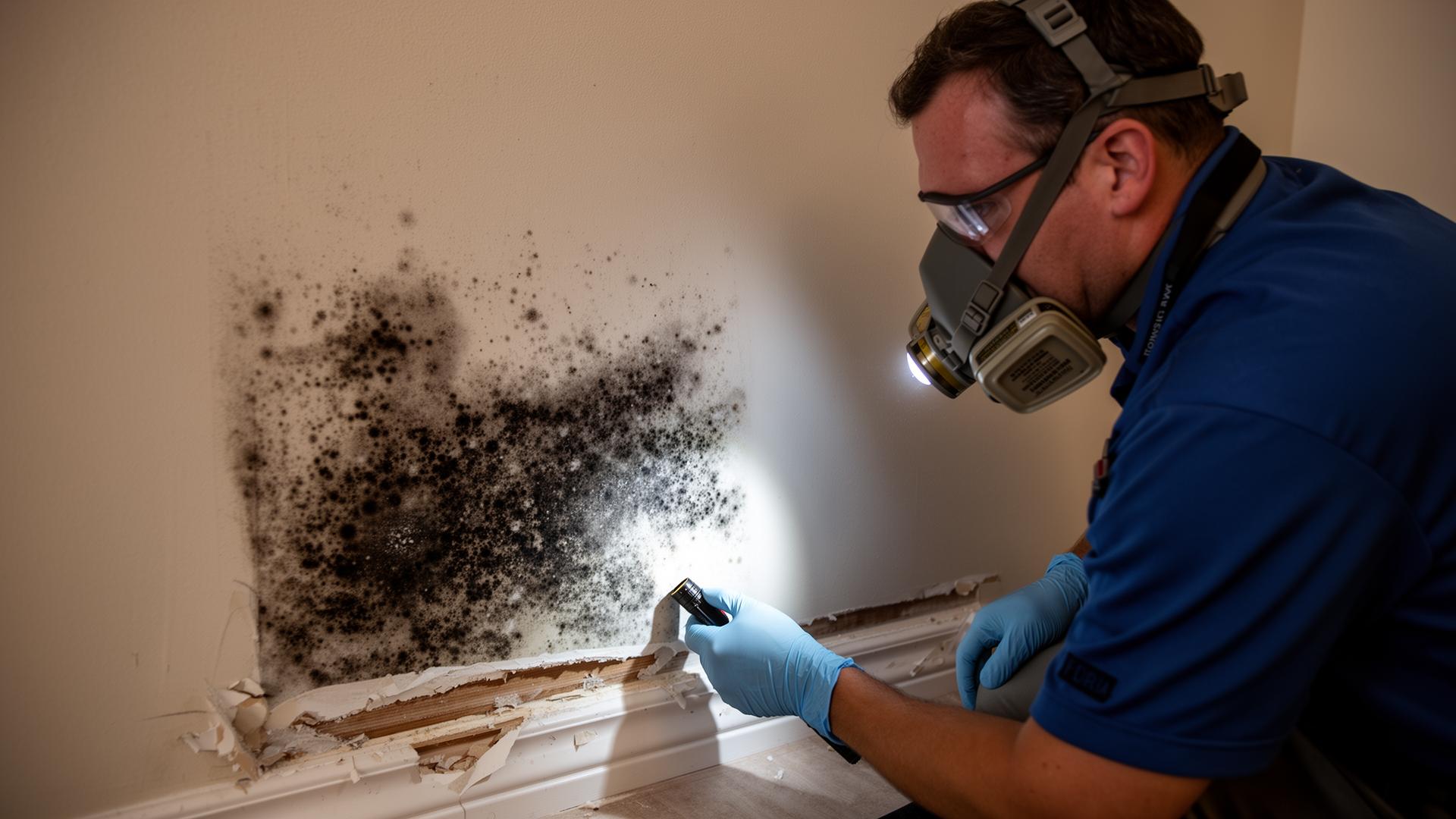
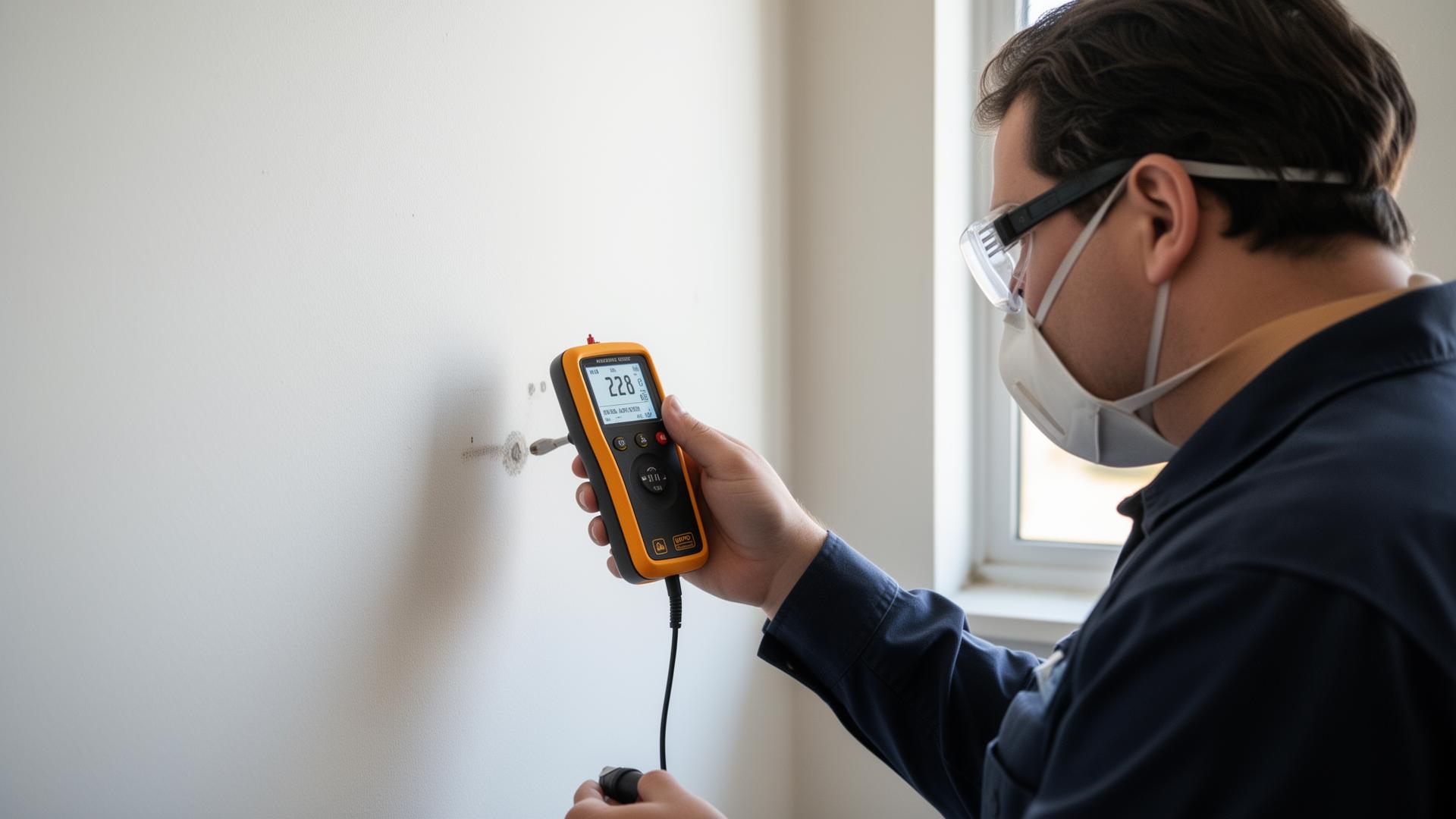
We take moisture meter readings in areas of concern and collect the agreed air and swab samples for laboratory analysis.
Moisture readings help evaluate moisture conditions; they do not identify mold by themselves. Sampling adds information that the assessor interprets alongside the other findings. The EPA describes moisture meters and professional investigation as useful tools when evaluating concealed concerns. EPA: Finding Mold and Moisture.
Explain findings, limitations and next steps
The full report explains the areas evaluated, findings and access limitations. The written remediation protocol guides recommended cleanup or removal work for the documented conditions.
If further access behind a wall or beneath flooring is needed, we discuss the proposed investigation and any additional scope before it proceeds. An assessment of accessible areas is not a guarantee that every concealed cavity has been inspected.
See what a mold assessment report includes for more about the documentation.
Frequently Asked Questions
Can mold grow without water or moisture?
Mold needs moisture to grow. The source may be a leak, condensation or another moisture problem that is not obvious from inside the room. A lack of standing water does not establish that surrounding materials are dry. EPA mold facts.
Does a musty smell tell me how much mold is hidden?
No. Odor alone cannot establish the amount, location or cause of a problem. Describe where and when you notice it so the assessor can consider it alongside the property history and other findings.
Does an air sample locate mold behind a particular wall?
An air sample does not identify a specific wall cavity on its own. Results need to be interpreted with the observations, moisture readings and sampling locations. Further investigation may be needed to answer a question about a concealed area.
Can I arrange an assessment before buying or renovating a property?
Yes. Share any concerns, earlier inspection findings and your planned schedule. Arrange access and necessary permissions with the owner or agent. We confirm the areas and sampling scope before the visit.
Will insurance cover hidden mold?
Ask your insurer whether your policy and claim cover the assessment or remediation involved. Hidden growth alone does not establish coverage.
We provide documentation you can submit to your insurer. You pay Miami Mold Assessment directly and handle the claim with your insurance company. Learn more about mold and homeowners insurance.
When will I receive the assessment results?
A typical three-sample residential visit takes 30–60 minutes. Laboratory results and the completed report usually return within 24–48 hours after the visit. Larger or more complex scopes receive a property-specific scheduling estimate.
Trusted Resources
Related Guides
Discuss a Concern About Hidden Mold
Tell us about the odor, moisture, previous water damage or other concern you want evaluated. We serve residential and commercial properties throughout Miami-Dade.
Residential assessments start at $389 with three samples included, including an outdoor comparison sample. The package includes visual assessment, moisture meter readings in areas of concern, both air and swab sampling, laboratory analysis, a full report and a remediation protocol. Additional samples are $75 each.
Commercial properties and multi-unit projects receive a property-specific quote. We confirm the scope and price before the visit, with payment due upon arrival.