Miami-Dade property guide
What Does a Mold Assessment Report Include?
Understand the findings, laboratory results and written remediation protocol—and how to use them when deciding what happens next.
On This Page
Quick Answer
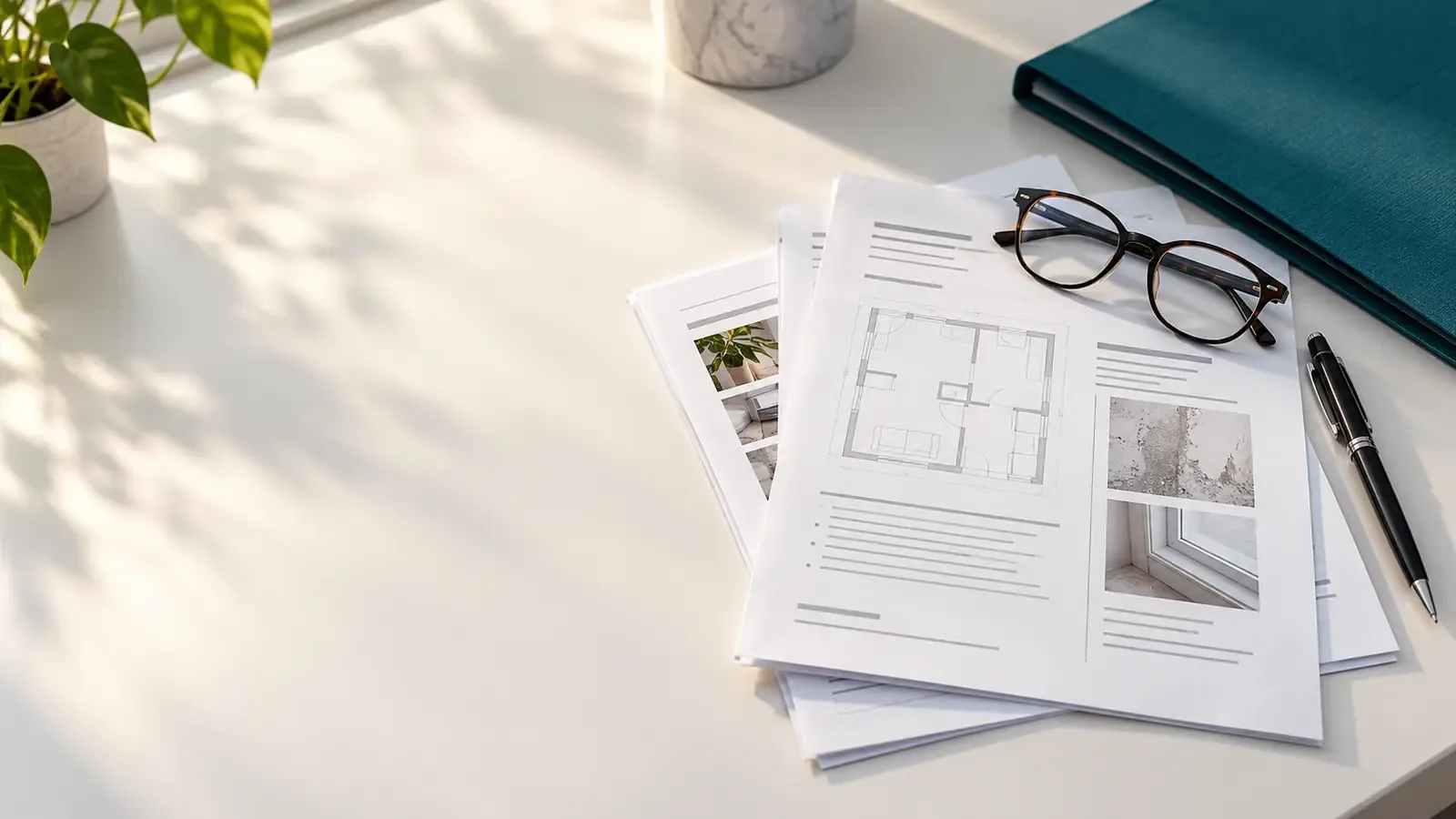
A mold assessment report brings together the areas evaluated, visual findings, moisture readings, laboratory results and the assessor’s interpretation. It should explain what was found, what could not be evaluated and the recommended next steps.
At Miami Mold Assessment, your assessment includes a full report and written remediation protocol. The protocol gives the remediation company you choose guidance for addressing the documented conditions.
Start with the findings, then review the affected areas and recommended work. Laboratory numbers are one part of the assessment.
Property Details and Assessment Scope
Start by checking the property address, assessment date, assessor’s information and the rooms or areas included in the evaluation.
The report should make the agreed scope clear. An assessment of one area does not automatically describe every room, concealed wall cavity or neighboring unit.
Look for the concern that prompted the visit: visible growth, a musty odor, water damage, recurring stains or an issue identified before a purchase or renovation. Known leaks and earlier repairs help explain the property’s history.
The report should also identify access limitations and areas that were not evaluated. If an area you expected to be included is missing, ask the assessor to clarify it.
For the service itself, see mold assessment and testing in Miami.
Visual Findings and Photographs
This section explains what the assessor observed in the accessible areas included in the visit.
Findings may describe:
- Visible growth or suspicious staining.
- Water-damaged walls, ceilings, flooring or baseboards.
- Damp materials or signs of recurring moisture.
- Conditions around a known leak or previous repair.
Photographs help connect the written findings to specific locations. When reviewing them, check that you can identify the room and surface being discussed.
Visible mold is a reason to arrange an assessment. Documenting the affected areas, checking moisture concerns and preparing a remediation protocol can help you plan the next steps.
Moisture Readings and Areas of Concern
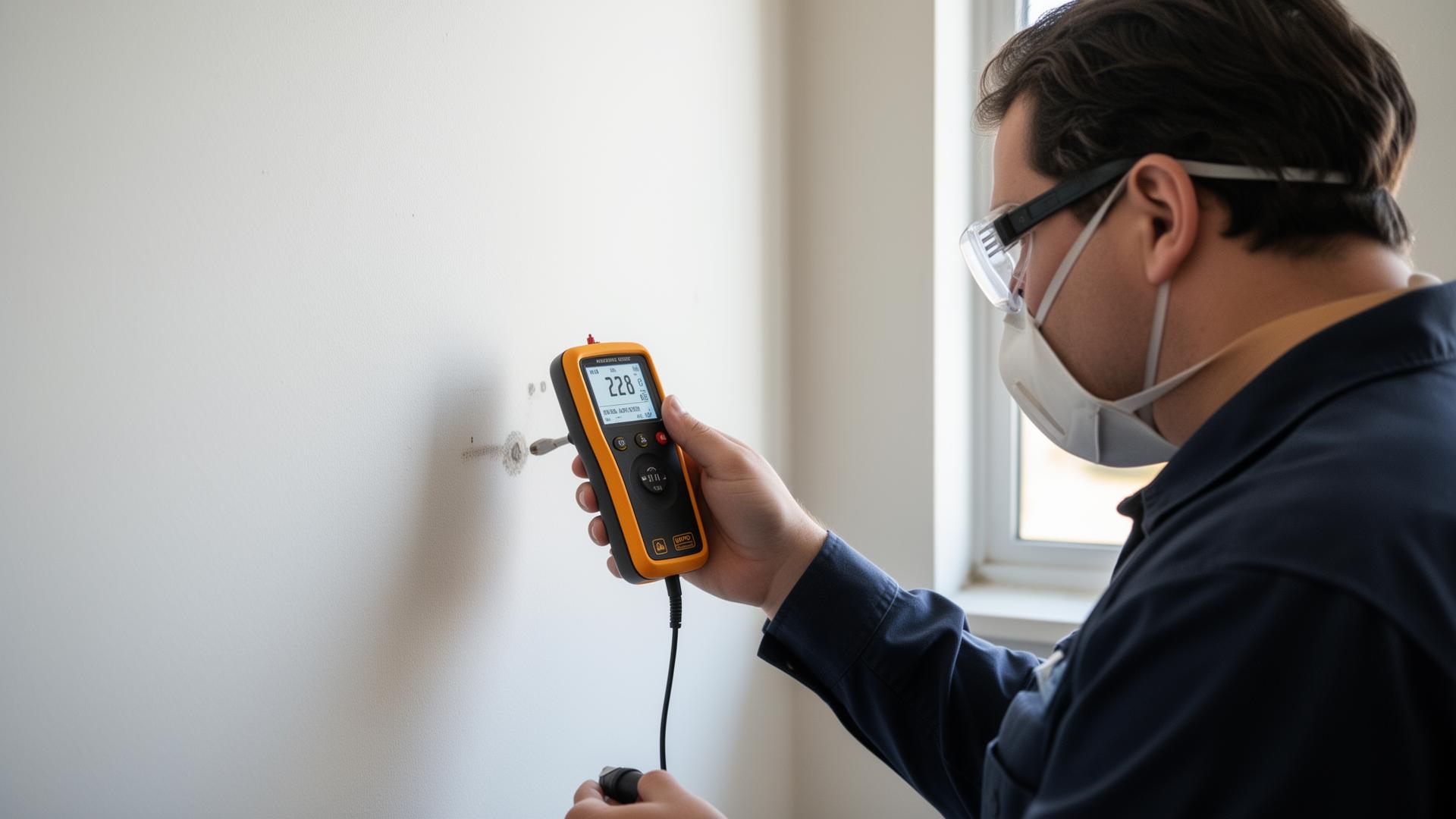
Moisture meter readings help document moisture conditions in the materials evaluated. At Miami Mold Assessment, we take readings in areas of concern as part of the assessment.
The report should identify where readings were taken and explain their significance. Ask the assessor to clarify any number or instrument scale you do not understand.
Readings, photographs and the leak history should be considered together. The EPA describes moisture meters as tools for finding wet building materials and monitoring drying. EPA: Finding Mold and Moisture.
If water is still entering the property, tell the assessor. Controlling the water source and arranging the appropriate repair are important parts of planning the work.
Mold Test Report: Laboratory Results and Interpretation
A laboratory report records the findings for the samples collected. The full mold assessment report explains those results alongside the visual observations, moisture readings and property history.
Match each result to its sample location
Check the sample labels, collection locations and sample types. You should be able to connect each result to the air or surface sample collected at your property.
Our residential assessment package includes both air and swab sampling, with an outdoor comparison sample included within the three-sample package.
Read the assessor’s explanation
Ask what the results mean for the areas evaluated and how they relate to the other findings. An outdoor comparison helps provide context for indoor air results.
There is no federal airborne mold limit that turns every report into a simple pass-or-fail test. The EPA emphasizes professional sampling and interpretation. EPA: Mold Testing or Sampling.
Understand the limits of the findings
Air sampling reflects conditions at the time of collection. The report should explain any limitations affecting its conclusions, including areas that were inaccessible or outside the agreed scope. EPA guidance on sampling.
For more about collection methods, read how mold testing is done.
Remediation Protocol and Recommended Next Steps
The remediation protocol is the written plan that connects the assessment findings to recommended cleanup or removal work.
Depending on the findings, it may address the affected areas, materials to be cleaned or removed, containment, air filtration, drying and moisture concerns that need attention.
Share the report and protocol with the remediation company you choose. Ask its quote to identify the work included, any exclusions and how it addresses the documented conditions.
These documents serve different purposes:
| Document | What it explains |
|---|---|
| Assessment report | What was evaluated, what was found and how the findings were interpreted. |
| Remediation protocol | Recommended work for the documented conditions. |
| Remediation quote | The contractor’s proposed work, price and exclusions. |
| Remediation completion documentation | What the contractor records about the work performed. |
If someone requests a “mold remediation report,” clarify which document they need.
Miami Mold Assessment provides assessment, inspection, testing and clearance only. Another contractor performs any remediation; Miami Mold Authority is our parent company.
Post-Remediation Clearance and Follow-Up Documentation
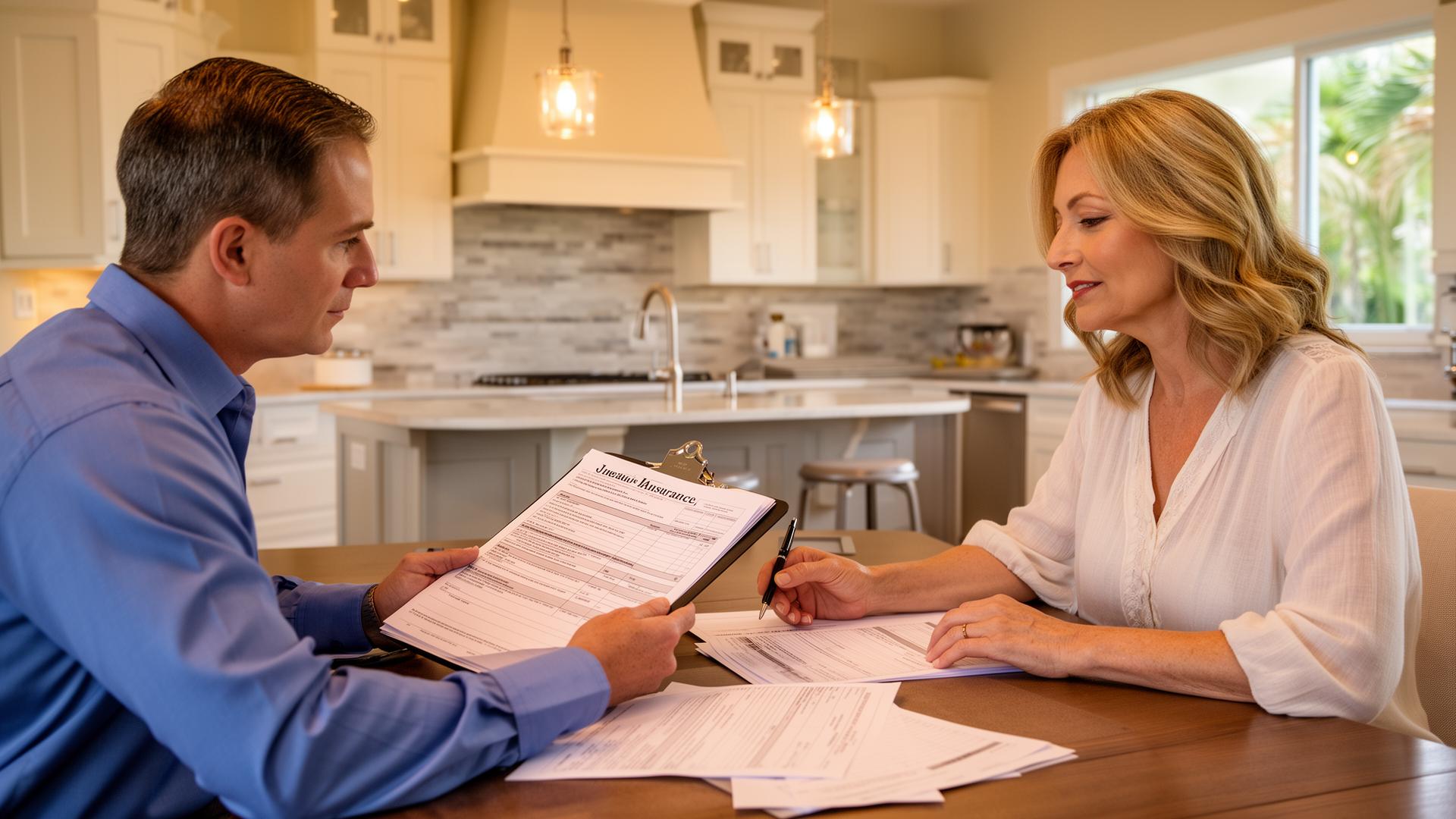
An initial assessment documents conditions before remediation. Post-remediation clearance evaluates conditions after the work and is arranged separately when requested by the homeowner or needed for the project, including an insurer’s requirements.
Share the original report and protocol with the clearance assessor. Confirm the areas to be evaluated and the timing before scheduling.
If another company performs the remediation, Miami Mold Assessment offers a $149 minimum clearance package with three air samples, laboratory analysis and the report included. Additional air samples are $50 each.
We provide separately booked clearance after another remediation contractor completes its work. A passing result is not guaranteed.
What if clearance identifies a concern?
Ask your assessor to explain the finding and the affected location. Share the clearance report with your remediation company so it can review the finding against its agreed scope. Any further evaluation or corrective work depends on those findings. Miami Mold Assessment performs assessment, testing and clearance only; a separate contractor performs any remediation. Follow-up assessment or clearance is arranged and quoted separately.
Keep the assessment report, laboratory results, protocol, contractor’s documentation and any clearance report together so you have a clear record of the project.
Frequently Asked Questions
Is a mold inspection report the same as a mold assessment report?
The terms are sometimes used interchangeably. At Miami Mold Assessment, inspection and testing are parts of our assessment service, which includes a full report and remediation protocol. When comparing services, confirm the actual deliverables included.
Is a laboratory report enough on its own?
Laboratory results describe the samples analyzed. A full assessment report adds the visual findings, moisture readings, interpretation, limitations and recommended next steps. Review these together when planning work.
How long does it take to receive the report?
Our initial laboratory results and completed assessment report are usually available within 24–48 hours after the visit. Tell us about any deadline before scheduling so we can discuss the expected timing.
How many pages should a mold assessment report have?
The useful measure is whether it clearly explains the scope, findings, sample results, limitations and recommendations. Report length varies with the property and work involved; a particular page count does not establish quality.
Can I share the report with remediation companies or my insurer?
Yes. You can share the report and protocol with remediation companies when requesting quotes. You can also submit documentation to your insurer and ask whether anything else is needed.
We provide documentation to you for your claim. You pay Miami Mold Assessment directly and handle the claim with your insurer. See our guide to mold and homeowners insurance.
How long is a mold assessment report valid?
A report documents the areas and conditions evaluated at a particular time. A new leak, cleanup, renovation or other change may mean it no longer describes current conditions.
If you need the report for a purchase, insurance claim or another specific purpose, ask the receiving party about its requirements.
What if I do not understand or agree with a finding?
Ask the assessor to explain the observation, sample result or recommendation in question. Identify the room or report section and share any relevant repair history. Clarifying the scope and evidence is a useful first step before deciding whether further evaluation is needed.
Trusted Resources
Related Guides
Get an Assessment With a Full Report and Remediation Protocol
Miami Mold Assessment serves residential and commercial properties throughout Miami-Dade.
Residential assessments start at $389 with three samples included. Your package includes visual assessment, moisture meter readings in areas of concern, both air and swab sampling, laboratory analysis, a full report and a remediation protocol. Additional samples are $75 each.
Commercial properties and multi-unit projects receive a property-specific quote. We confirm the scope and price before the visit, with payment due upon arrival.