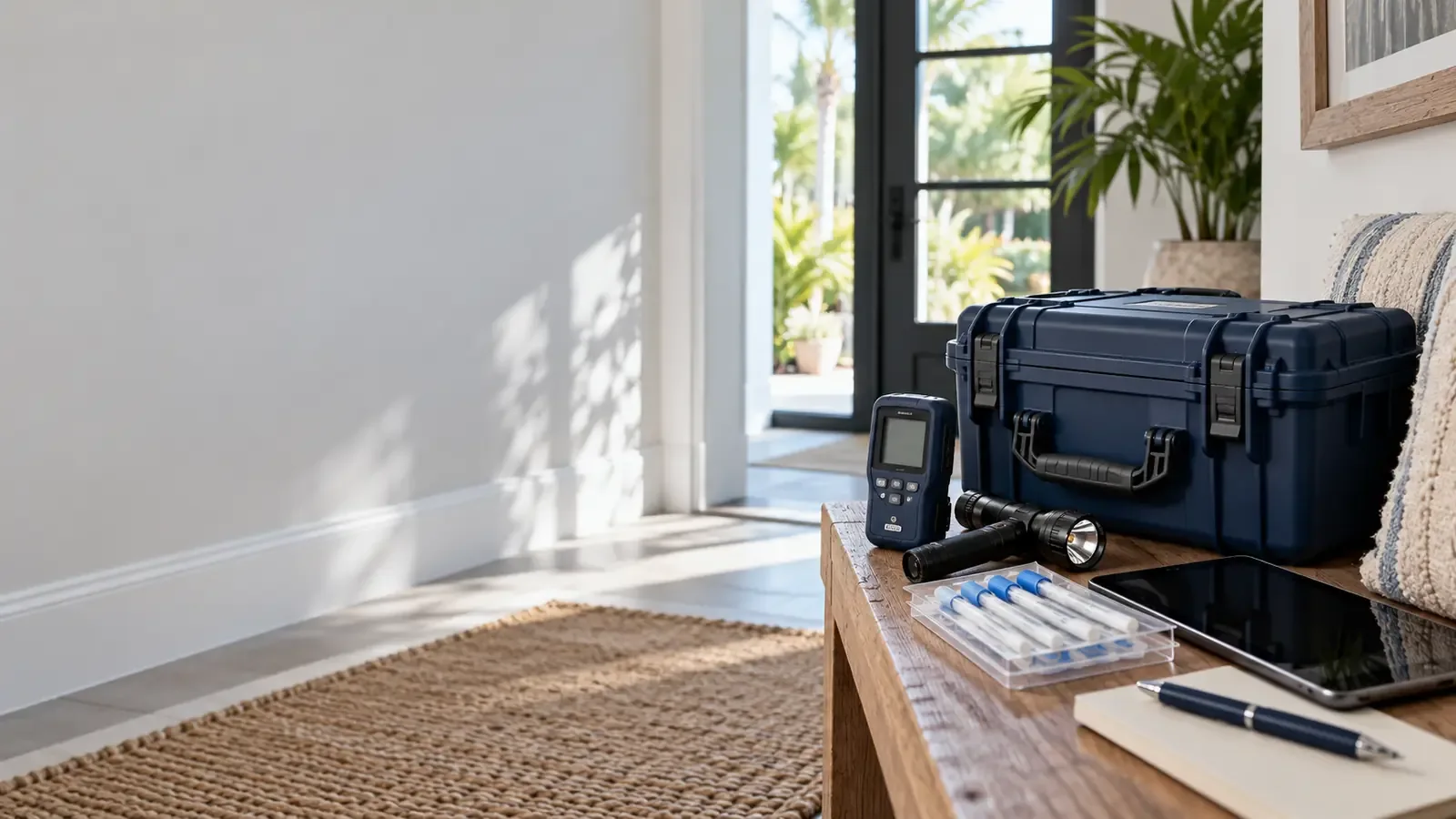
Miami-Dade property guide
Who Should Perform a Mold Assessment?
Learn how to check an assessor’s qualifications, compare the scope of service and understand who handles each part of the project.
On This Page
Quick Answer
For a professional mold assessment in Miami, choose a Florida-licensed mold assessor with relevant property experience and a clearly explained scope.
Confirm who is responsible for the assessment, verify the license and ask what the price includes. You should understand how the findings will be documented and how any recommended remediation will be explained.
Miami Mold Assessment offers assessment, inspection, testing and clearance only. Miami Mold Authority is our parent company; a separate contractor performs any remediation.
What License Should a Mold Assessor Have?
Florida’s Department of Business and Professional Regulation regulates mold assessors and mold remediators as separate license types. Florida DBPR: Mold-Related Services.
Look for the credential that matches the service:
- Mold Assessor — MRSA: the assessment role, including evaluating concerns, sampling and preparing findings and remediation guidance.
- Mold Remediator — MRSR: the remediation role, including containment, cleaning and removal of affected materials.
A training certificate and a state license are different credentials. Ask about both, and verify the license responsible for your assessment.
Also ask about experience with your property type. A single-family home, condominium unit and building’s shared amenities can involve different access arrangements and assessment scopes.
How Do You Verify a Mold Assessor’s License?
Use the official Florida DBPR license search, which offers searches by name and license number.
Before booking:
- Ask for the responsible assessor’s name and license number.
- Look up that person in the official database.
- Check that the license type matches assessment work and review its current status.
- Confirm who will visit and who is responsible for the report.
If the record is unclear or does not match what you were told, clarify it with the provider or DBPR before proceeding.
A logo, badge or statement that a company is “certified” should not be your only credential check.
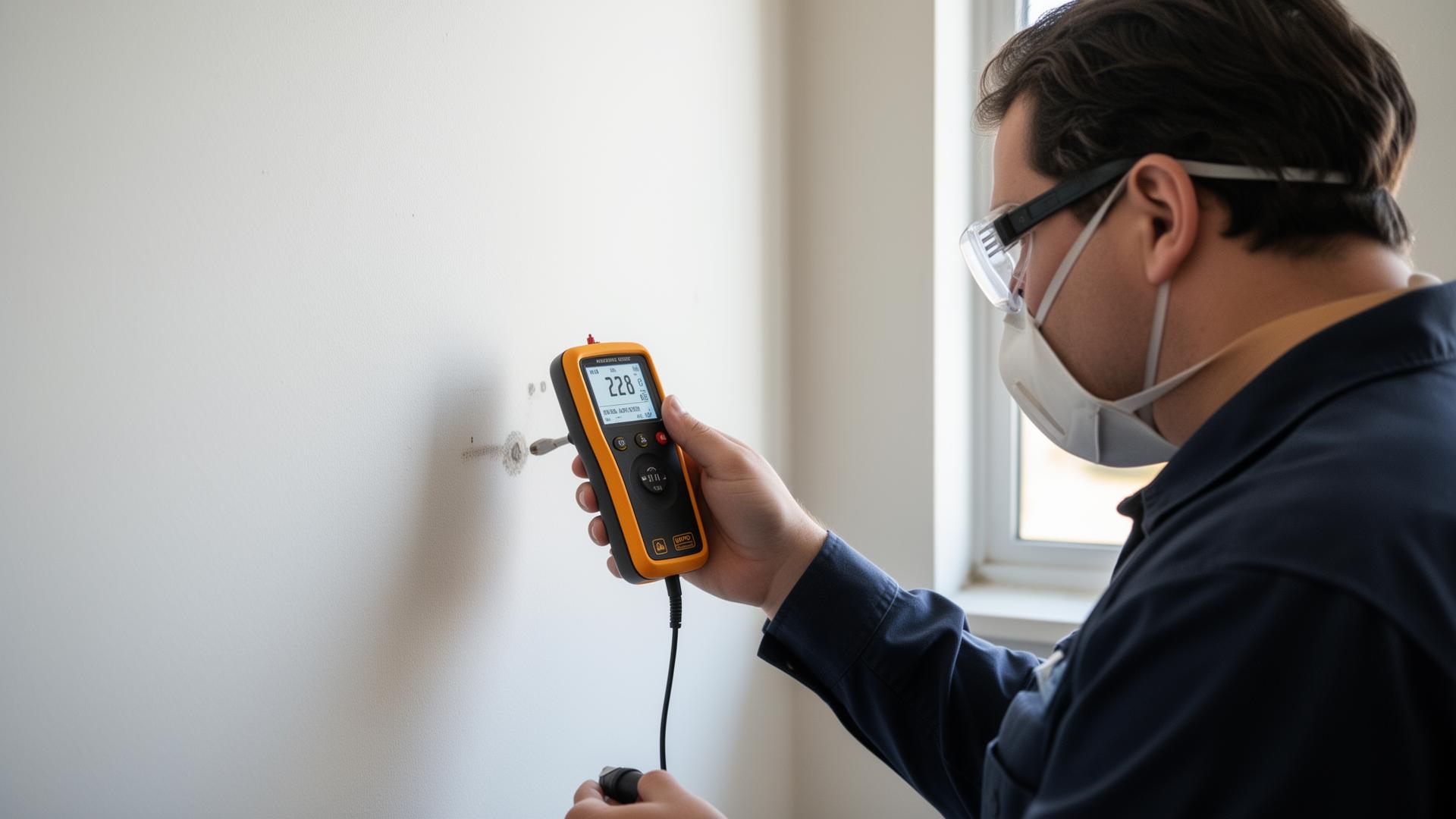
What Should You Ask Before Hiring a Mold Assessor?
A clear proposal helps you compare the actual service being offered.
| Ask about | What to clarify |
|---|---|
| Areas being evaluated | Which rooms or areas of concern are included, and any access limitations. |
| Assessment methods | How visual observations, moisture readings and sampling will address the concern. |
| Samples and laboratory analysis | The number and types of samples, any outdoor comparison and what analysis is included. |
| Written deliverables | Whether you receive laboratory results, a full report and a remediation protocol. |
| Timing | The expected appointment length and when results and the completed report arrive. |
| Price and additional work | The minimum package, additional-sample charges and how changes are approved. |
| The next step | Who would perform remediation and any later clearance testing. |
Tell the assessor about visible mold, musty odors, leaks, previous cleanup and any areas that cannot be accessed.
For an explanation of sampling methods, see how professional mold testing is done.
Why Are Assessment and Remediation Kept Separate?
The assessor evaluates and documents the concern. The remediator performs the agreed cleanup and removal work.
Florida law restricts performing both roles on the same structure within a 12-month period, with specified exceptions. Florida Statutes: Section 468.8419.
Miami Mold Authority is our parent company. Miami Mold Assessment provides assessment, inspection, testing and clearance only. If you hire us for assessment, another contractor performs any remediation. We can return for separately paid clearance testing after that contractor’s work.
You may choose your own provider. We can recommend another company if you need a referral.
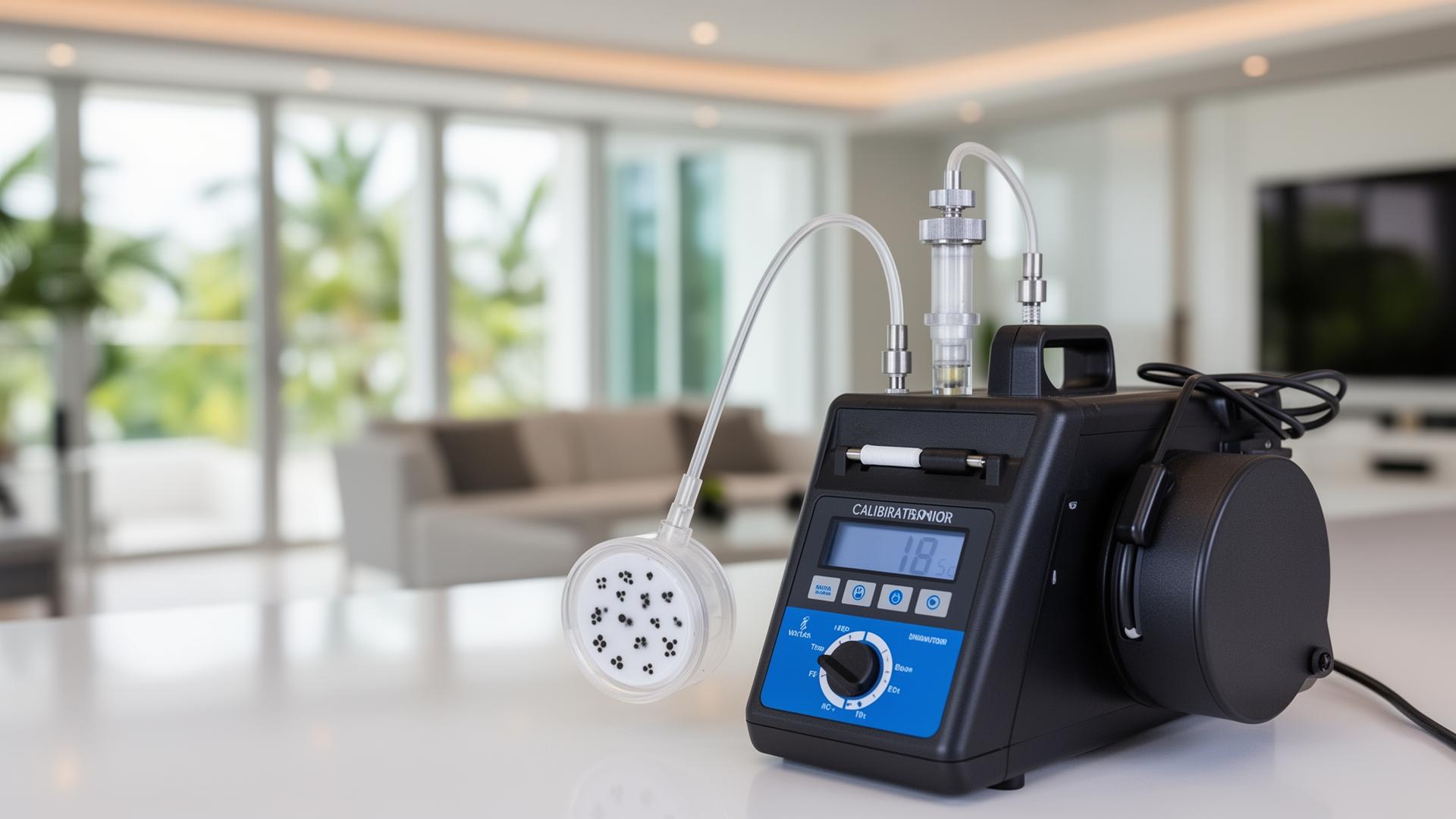
What Should Your Mold Assessment Report Help You Do?
The report should help you understand what was observed, what was tested and what the findings mean for the next step.
Ask for clear explanations of:
- The areas evaluated and any limitations.
- Visible concerns and relevant moisture readings.
- Sample locations and laboratory findings.
- Recommended next steps.
- The written remediation protocol for recommended cleanup.
A professional assessment provides findings and a written remediation protocol that guides the recommended cleanup.
Miami Mold Assessment’s assessment includes a visual evaluation, moisture readings in areas of concern, air and swab sampling, laboratory analysis, a full report and a remediation protocol.
For a closer look at the documents, see what a mold assessment report should include.
Who Performs Post-Remediation Clearance Testing?
A separate assessor can evaluate the completed remediation when clearance testing is requested or required by the homeowner or insurance company.
The original assessment company may return, or the customer may choose another assessor. Share the original report, protocol and remediation scope so the provider understands the project.
We provide separately booked clearance after another remediation contractor completes its work. A passing result is not guaranteed.
Our clearance package is $149 and includes three air samples, laboratory analysis and the report. Additional air samples are $50 each.
Clearance testing is separately quoted and is not included in the remediation price. Its findings describe the conditions evaluated during that visit; they do not guarantee against future leaks or mold growth.
Frequently Asked Questions
Can a general home inspector perform my mold assessment?
A home-inspection credential is different from a Mold Assessor license. Ask whether the provider also holds the relevant MRSA license and who will be responsible for the assessment and report.
Do not assume a general home inspection includes the same sampling, laboratory work and remediation protocol as a mold assessment. Florida DBPR lists mold assessment as a separately regulated license type. Florida DBPR: Mold-Related Services.
How much does an assessment with Miami Mold Assessment cost?
Our residential assessment package starts at $389 with three samples included, including the outdoor comparison sample. Additional assessment samples are $75 each.
The package includes the visual evaluation, moisture readings in areas of concern, air and swab sampling, laboratory analysis, full report and remediation protocol.
Commercial properties receive a property-specific quote. See our mold assessment and testing service for booking details.
How long does the assessment take?
A typical residential assessment with three samples takes approximately 30–60 minutes on site.
Laboratory results and the completed report usually arrive together within 24–48 hours after the visit. Larger or more complex properties may require additional time.
Do extra certifications replace the Florida license?
No. Training and professional certifications can help you understand a provider’s background, but they are different from the state license.
Verify the relevant license and ask how the provider’s experience relates to your property and the work requested.
Can a tenant book an assessment directly?
Yes. A tenant can book an assessment if they are arranging payment and access.
We confirm the scope and price over the phone. Payment is due upon arrival, and credit cards are accepted. Any permissions needed for access or the agreed work should be arranged beforehand.
Trusted Resources
Related Guides
Speak With Miami Mold Assessment About an Assessment
Tell us about your property, the areas of concern and any recent water damage or previous reports.
We serve residential and commercial properties throughout Miami-Dade County. We will explain the assessment scope, confirm pricing and answer your questions before the visit.