Miami-Dade property guide
Are Mold Test Kits Accurate? What DIY Results Can Tell You
Understand what a home mold test result means, what questions it leaves unanswered and how to decide on your next step.
On This Page
Quick Answer
A DIY mold test kit may detect mold in the sample collected. That result alone does not establish the source, extent or cause of a mold problem in your property.
The usefulness of the result depends on the sampling method, collection conditions, laboratory analysis and interpretation. A professional assessment combines sampling with visual findings, moisture readings and the property's history to provide recommendations.
If you already have kit results, keep them and tell us what prompted the test. We can discuss the concern and the appropriate assessment scope during a free phone consultation.
How to Read a DIY Mold Test Result
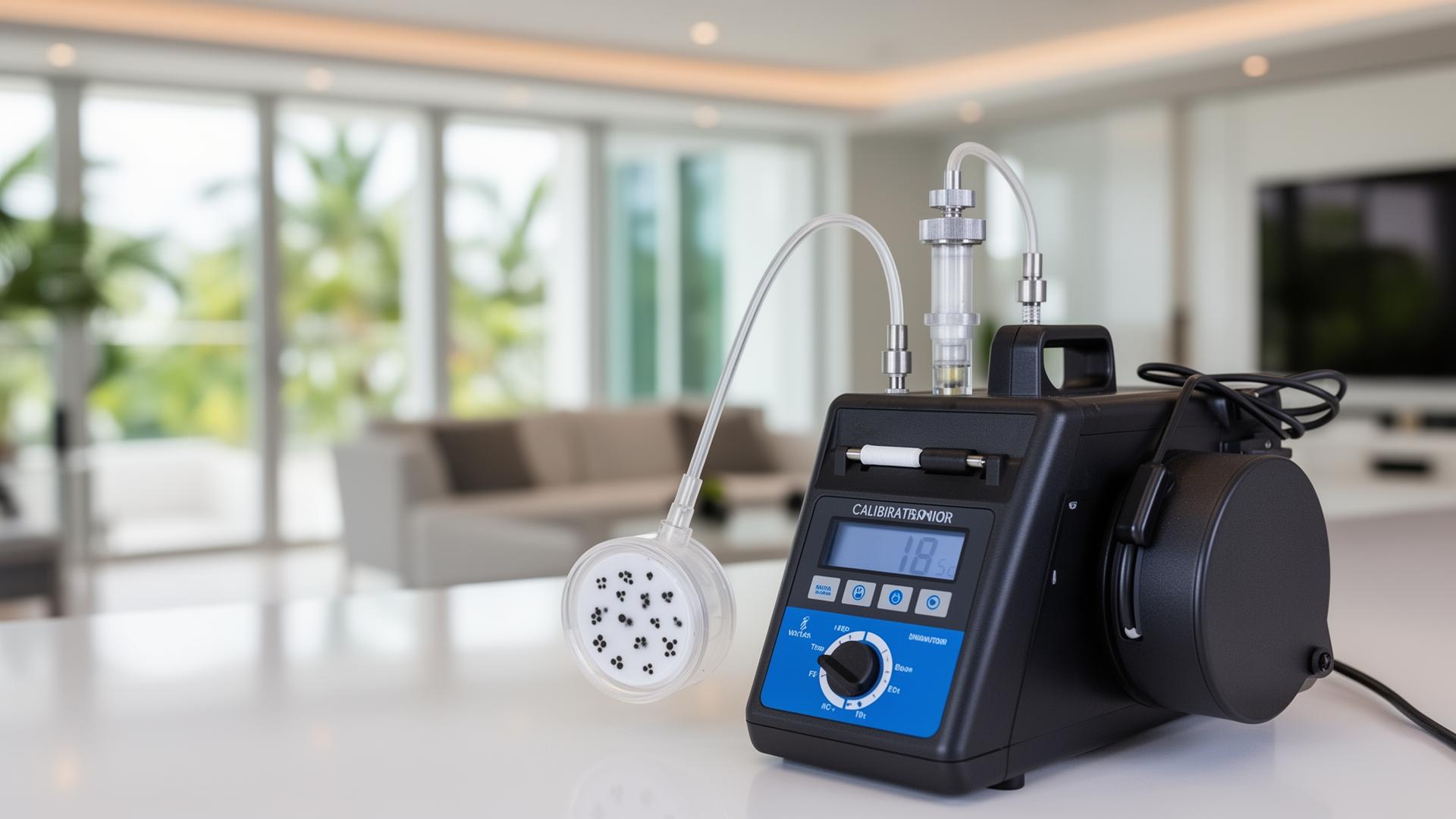
Start with what the kit actually collected and what the report says was analyzed. Different collection methods answer different questions.
| Result or collection method | What to consider |
|---|---|
| Mold grows on a collection dish | Growth on the dish alone does not identify a moisture source or show which building materials need attention. |
| A surface sample is analyzed | The findings relate to the material collected from that location. They do not describe every surface or concealed space in the property. |
| An air sample is analyzed | The result reflects the sampling location and time. Collection conditions and the sampling plan affect its interpretation. |
| A report lists mold types or counts | Those findings need context. A name or number alone does not define the remediation scope. |
Read the collection instructions and report limitations. Keep the sample location, collection date and any photographs with the results.
EPA explains that air sampling represents conditions at the sampling time and that experienced interpretation is essential. Read EPA's guidance on mold sampling.
Why a Positive Result Does Not Explain the Whole Problem
Mold spores occur naturally in indoor and outdoor air. Finding mold in a collected sample therefore requires interpretation; it does not, by itself, establish an indoor growth problem. EPA explains how mold spores and moisture relate to growth.
The practical questions are more specific:
- Where is moisture entering or collecting?
- Which accessible materials show signs of a concern?
- What areas and conditions did the sampling actually represent?
- What further evaluation or work is recommended?
A negative result also has limits. It does not rule out a concern in an unsampled room, behind a wall or under different conditions.
Visible staining, persistent musty odors or a history of water intrusion still deserve attention, regardless of whether a kit produced an alarming result.
What a Professional Assessment Adds
A useful assessment connects the sample results to the property.
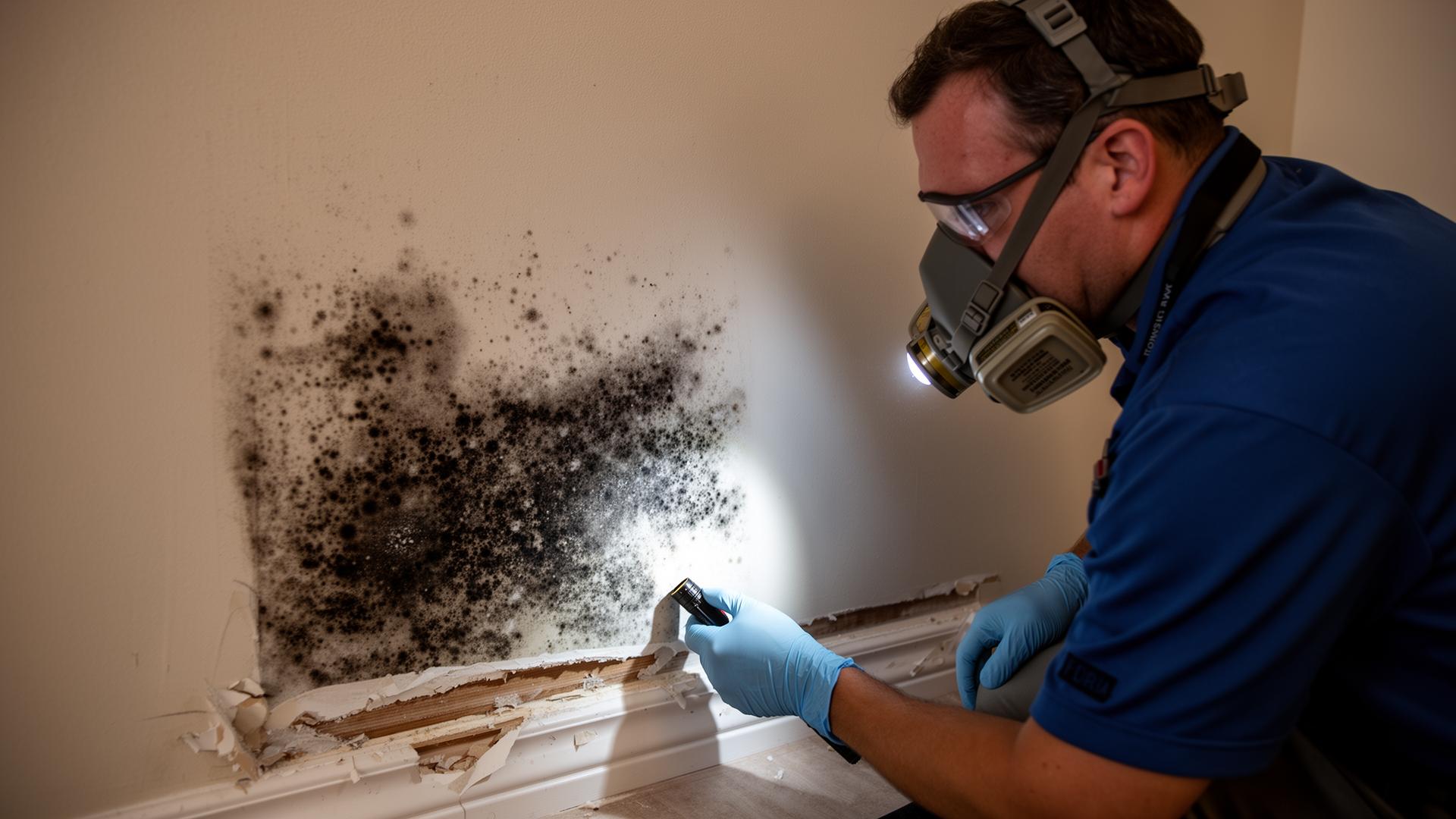
At Miami Mold Assessment, the assessment includes visual evaluation, moisture meter readings in areas of concern, both air and swab sampling, laboratory analysis, a full report and a remediation protocol.
A DIY sample result alone does not provide a property-specific remediation plan. Our written remediation protocol outlines the recommended cleanup or removal work for the documented conditions. You can share that protocol with the separate remediation company you choose.
We discuss the areas to be evaluated and the sampling scope before the visit. An outdoor comparison sample is included within the three samples in our minimum residential package.
The report brings the findings together and explains recommended next steps. This is more information than a sample result alone, but the assessment still has an agreed scope; it does not promise access to every concealed area.
For the collection process, see how mold testing is done. For the service overview, read what a mold assessment includes.
What to Do After Using a Mold Test Kit
Keep the results and focus on the concern that led you to test.
- Record the location and conditions. Note where and when you collected the sample, along with leaks, odors, visible concerns or previous cleanup.
- Keep the complete documentation. Save the instructions, laboratory report and photographs.
- Explain what you need to decide. You may need help evaluating a moisture concern, planning remediation or meeting a specific documentation request.
- Discuss the assessment scope. Tell the assessor which areas concern you and ask what the proposed evaluation can address.
You do not need to purchase another kit before contacting us. We can discuss your existing information and explain the next step.
If hidden mold is suspected, avoid opening walls or disturbing affected materials just to collect a sample. EPA notes that investigating concealed growth can spread mold when materials are disturbed. Read EPA's guidance on investigating hidden mold.
Can a DIY Kit Be Used for Insurance or Clearance?
If an insurer or building manager requests testing, ask what scope and documentation they require before paying for it. Do not assume a kit result—or any report—automatically meets every recipient's requirements.
Miami Mold Assessment provides documentation for the services performed, including assessment reports, laboratory results and remediation protocols. Customers pay us directly and can submit their documentation to their insurer. Coverage and reimbursement are determined by the insurer.
Post-remediation clearance is a separate evaluation. A home kit alone should not be treated as confirmation that the agreed remediation work is complete. Confirm the project's evaluation and documentation requirements with the assessor.
We can provide separately quoted clearance testing after another company performs remediation. This site does not perform remediation; another contractor carries out that work.
See our mold testing service page for assessment and clearance options.
What to Compare Before Paying for Mold Testing
Compare what the proposed service or kit includes and which question it is intended to answer.
Check the collection method, laboratory analysis, report, interpretation and any additional charges. A sample result and a property assessment provide different amounts of information.
Miami Mold Assessment's minimum residential assessment package starts at $389 with three samples included. Additional assessment samples are $75 each.
The package includes visual assessment, moisture readings, both air and swab sampling, laboratory analysis, a full report and a remediation protocol. We confirm the scope and price before the visit; payment is due upon arrival.
Commercial properties and larger assessment scopes receive a property-specific quote.
Frequently Asked Questions
Do DIY mold test kits always give positive results?
No. Results vary with the kit, collection conditions and analysis method. Mold spores are common in the environment, so growth on a collection dish alone does not establish the extent or cause of a building problem.
Can a negative kit result rule out hidden mold?
No. A result relates to what was sampled under the collection conditions. It does not evaluate every concealed space or explain an ongoing leak, musty odor or other property concern.
Does a mold name on a report tell me what needs to be removed?
Not by itself. Recommendations depend on the affected materials, moisture conditions, observations and other findings. The name of a mold type alone does not determine how much work your property needs.
Should I keep my DIY results if I book an assessment?
Yes. Share the complete report, sample locations, dates and photographs, along with the reason you tested. The assessor can consider that information when discussing the proposed evaluation.
Trusted Resources
Related Guides
Get Help Understanding Your Next Step
Tell us what prompted your concern, where you collected samples and what the results say. We will discuss the appropriate assessment scope and pricing before scheduling.
Residential assessments start at $389 with three samples included. Commercial properties: call for a property-specific quote.
Miami Mold Assessment serves residential and commercial properties throughout Miami-Dade County.